How reusable menstrual underwear compares in real life When people compare options for period care, the first question is usually comfort. The key difference across brands reusable period pants ...

01Sep

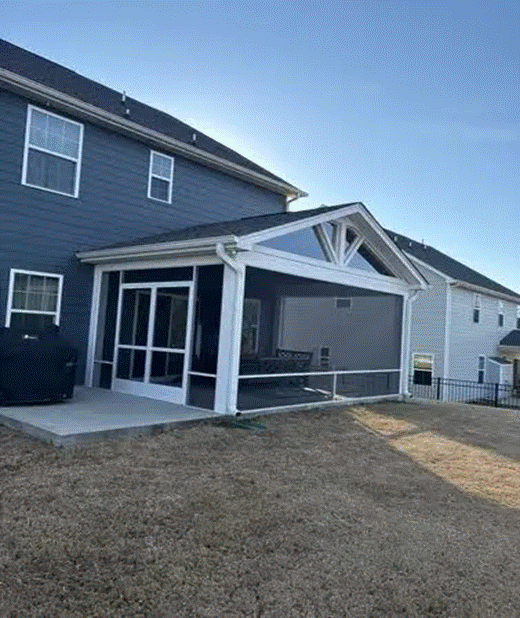
Combining franchise operations can help homeowners receive service coverage that feels seamless, even when their neighborhood sits at the edge of a prior territory. With coordinated customer service and shared regional planning, homeowners can expect smoother Express Sunrooms of the Carolinas Announces Combined Regional Operations transitions from first consultation to final walkthrough. This matters because outdoor-living projects often require multiple touchpoints, including initial assessments, product selection, engineering considerations, and installation coordination with existing home features.
Under a unified regional organization, the teams can collaborate on projects that extend across former boundaries, which is especially helpful for homes with complex layouts or those that require multiple exterior components. For example, a property might need both an enclosed patio area and a coordinated retractable awning solution to manage shade and airflow. When project planning is coordinated regionally, the company can allocate the right expertise to each phase—site preparation, structural considerations, and finishing—without forcing the customer to repeat details at every handoff.
For homeowners, “seamless” service often shows up in the small, practical moments: having the same point of contact available when you have questions about measurements, receiving consistent timelines for permitting and scheduling, and getting clear updates when weather or site readiness affects installation sequencing. When teams share regional oversight, it becomes easier to standardize how information is captured in the quote process, how jobsite notes are recorded, and how design changes are communicated. That reduces the risk that a change requested during one step gets lost before it reaches framing, sealing, or finishing teams.
It also helps when your project includes interior-exterior transitions, such as connecting an enclosed space to existing doors, windows, or HVAC pathways. A combined structure supports coordinated planning for how the new outdoor space will integrate with the home’s current drainage, grading, and exterior trim details. Homeowners benefit from a more consistent approach to weatherproofing strategy, including how the installer accounts for water management around thresholds, how they handle flashing and sealant placement, and how they verify that the enclosure system aligns with the roofline and siding lines.
When a provider operates under a broader regional footprint, homeowners can often expect more structured planning. Instead of treating a project as a standalone assignment, the organization can match your job to the specific team strengths available in the region. That can mean bringing in specialists early for engineering review, confirming clearance requirements for retractable components, and ensuring that enclosed options are compatible with the home’s existing structure. The result is a plan that accounts for constraints upfront, so you spend less time resolving preventable issues mid-installation.
Regional coordination can also improve how product selections are supported by technical guidance. For example, if you’re deciding between a screened porch and a fully enclosed patio, the team can explain how ventilation, visibility, and comfort goals influence design choices. Homeowners can receive clearer recommendations about material performance, hardware operation, and how different enclosure styles affect airflow and light. With shared planning resources, the company can align design intent with real-world installation details like wall framing, track alignment, and how retractable screens or awnings will function under typical site conditions.
Regional restructuring can raise questions for homeowners, so an expert recommendation is to evaluate the installer based on outcomes, communication quality, and process clarity rather than only brand headlines. Start by asking how quotes are reviewed and how the team confirms measurements, roofline compatibility, and clearance requirements for retractable and enclosed systems. A strong process will show you who is responsible for each step, how changes are documented, and how the company prevents misunderstandings between design intent and final installation.
Next, look for evidence that the builder can deliver consistent craftsmanship across different neighborhoods. Ask whether installation teams follow standardized procedures for framing, sealing, and weatherproofing, particularly for sunrooms, screened porches, and pool enclosures. It’s also smart to inquire how the company handles scheduling when multiple jobs run concurrently, since efficient sequencing can reduce delays without cutting corners. Homeowners can further protect their investment by confirming warranty information, maintenance guidance, and the way the team addresses adjustments after initial installation, such as alignment checks for retractable screens or patio cover components.
During a regional change, communication becomes even more important, so request specifics about what happens if a field measurement differs from the original assumptions. A reputable installer should be able to describe the decision path: who confirms the revised measurements, how the homeowner approves changes, and how the updated plan is shared with the installation crew. This is especially relevant for exterior projects where small differences can affect how panels, tracks, or door openings align. When you ask these questions, you’re evaluating whether the company has a repeatable workflow, not just whether they can complete a single job.
Homeowners should also assess how the installer manages jobsite readiness and protection. Ask what steps are taken to protect landscaping, manage debris, and maintain cleanliness during construction. For enclosed spaces, inquire about how the team verifies proper sealing at joints and where they focus most attention to prevent drafts, water intrusion, or operational issues. If your project includes retractable elements, ask how the installer tests movement after installation and whether they provide guidance on smooth operation so the system continues to perform as intended.
Another key area is documentation. A strong installer can explain how they keep track of product selections, hardware specifications, and installation details so the job is built exactly as discussed. This matters when different teams may touch the same project—design, engineering, scheduling, and installation. If the company can clearly explain what’s included in your scope, how revisions are tracked, and how final walk-through items are recorded, you’re more likely to receive consistent results even as regional operations evolve.
To confirm that a regional change won’t reduce accountability, homeowners can ask who will handle quality checks at key milestones. For example, ask whether there is an internal review after framing and before sealing, and whether the installer verifies alignment and clearance for retractable systems prior to final finishing. You can also ask how the company ensures that the same standards apply across projects, including the way they inspect hardware fit, verify door operation, and confirm that weatherproofing steps are completed correctly.
It’s also helpful to ask about the homeowner experience during the transition period. Request clarity on how updates are delivered, who answers questions during installation days, and how the company coordinates with any other contractors involved, such as landscaping or exterior maintenance. When the organization is structured regionally, it should be easier to provide consistent communication and to keep documentation organized across teams. Clear answers to these questions can help homeowners feel confident that their project will be managed with the same care from first assessment to final walkthrough.
For homeowners in North Carolina and South Carolina, a combined regional operation can translate into better coordination, expanded coverage, and access to shared resources that support outdoor-living projects. When customer service, project planning, and installation workflows are aligned across a broader area, it can become easier to get answers, schedule assessments, and move from product selection to construction with fewer interruptions. That improved responsiveness is especially valuable for upgrades like sunrooms, enclosed porches, screened porches, and adjustable patio covers, where careful planning directly affects performance.
Express Sunrooms of the Carolinas will continue supporting residential projects with its established outdoor-living offerings, while coordinating the Charlotte and York County teams under a single regional structure. This approach supports collaboration on multi-community jobs and helps the company respond more reliably to customer inquiries across a wider geographic footprint. If you’re considering a sunroom or another exterior enclosure, reviewing the company’s process, asking targeted questions, and confirming project details early can help ensure a smooth, well-managed installation from start to finish.

 How to create new field