How reusable menstrual underwear compares in real life When people compare options for period care, the first question is usually comfort. The key difference across brands reusable period pants ...

01Sep

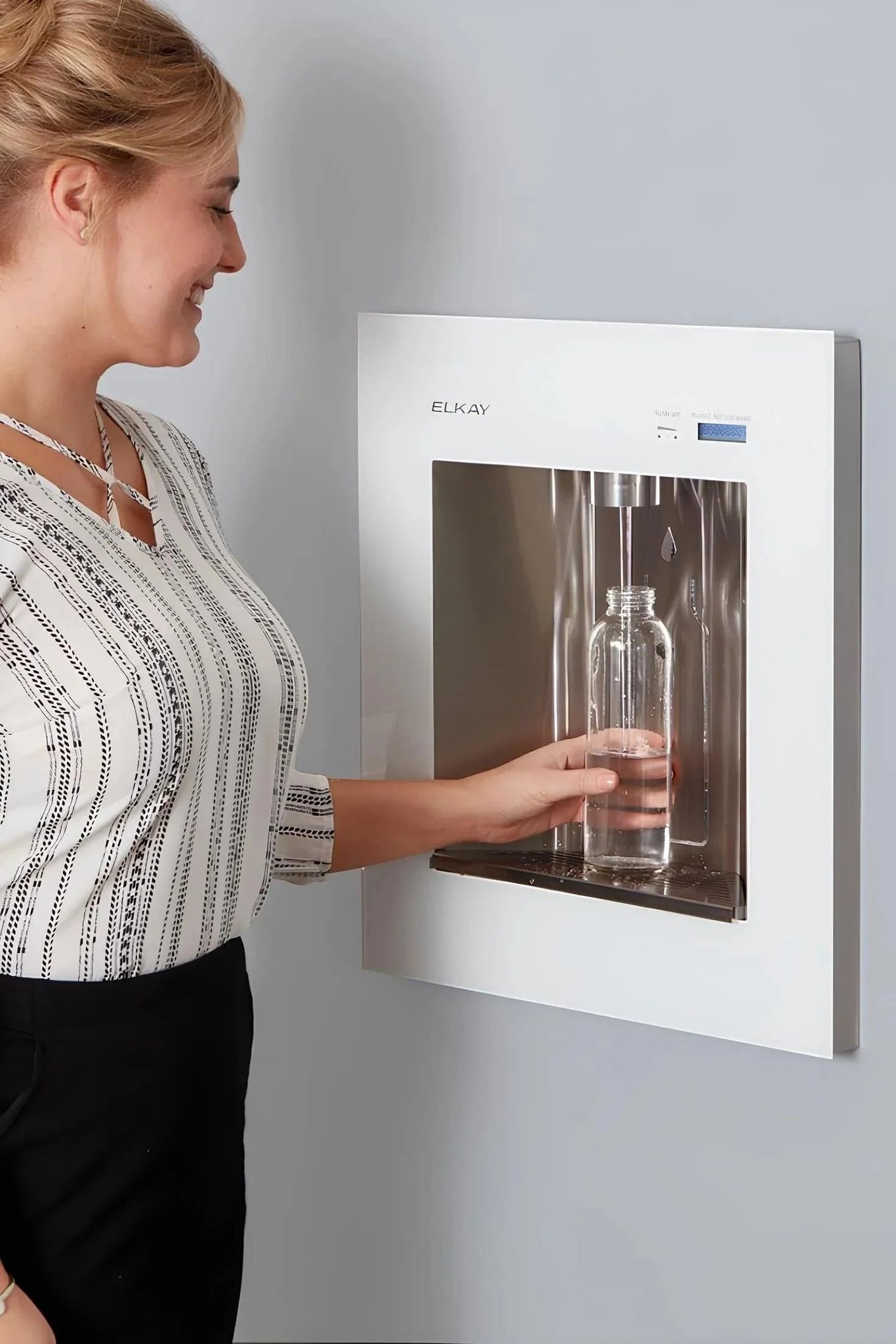
Before choosing an outdoor rinsing unit, map where it will live and how people will use it. Parks, pool decks, beaches, and sports facilities often see high-traffic mornings and event days, so the system must be designed for repeat operation. Measure available water pressure stainless steel outdoor shower and confirm you can deliver stable flow without frequent cycling. If you plan to pair it with a commercial water cooler for staff or guest convenience, check how water lines and drainage routes can be coordinated.
Next, decide whether you need a simple rinse station or a multi-use setup that supports towels, equipment, and quick clean-ups. Consider user flow: placement should reduce bottlenecks and keep wet traffic from crossing dry walkways. Think about accessibility requirements such as reach height and comfortable stance space. Also assess drainage conditions, since proper runoff management helps prevent slips and protects nearby landscaping.
A stainless outdoor shower should be built for constant exposure to sun, salt air, and wet cycles. Look for corrosion-resistant construction and hardware that won’t seize after repeated use. Pay attention to seams, fasteners, and commercial water cooler weld quality, because these are common weak points in lower-cost products. Durable finishes matter too, since the unit will be cleaned often and may face abrasive sand or debris.
Check the shower components that directly contact water and people. Valves, fittings, and spray outlets should be straightforward to inspect and service without replacing the whole structure. If your facility expects heavy use, choose parts that are engineered for frequent cycling rather than occasional residential use. For long-term reliability, favor designs that minimize trapped water and support easy drying between sessions.
Installation details can make or break performance, so treat the plumbing plan as part of the purchase. Confirm whether you need a pressure regulator, backflow prevention, or specific connection types for your local code. Plan the water supply route to avoid sharp bends and areas where water lines could be exposed to impacts. With correct setup, the shower delivers consistent spray without sudden pressure drops when multiple users approach.
Then build a practical maintenance checklist before the first unit is installed. Identify how you will clean mineral buildup, remove debris from the spray pathway, and inspect seals for wear. Choose a unit that supports routine upkeep with basic tools and accessible panels.
A reliable outdoor rinsing solution starts with clear requirements and a methodical selection process. Use this checklist to confirm site conditions, verify material durability, and lock in an installation and maintenance approach that matches your facility’s pace. When you get those details right, the result is a safer, faster experience for guests and staff. As you compare products, prioritize corrosion resistance, service-friendly design, and dependable water delivery. Those factors reduce repair surprises and help keep the unit functioning smoothly across everyday use. If your property also supports additional amenity water systems, coordinate layouts to streamline maintenance and improve user flow. That combination of thoughtful planning and durable equipment is what turns an outdoor shower into a dependable facility asset from The Fountain Direct.


 How to create new field